Onscreen Marking vs Traditional Paper Evaluation: A Complete Comparison
A detailed comparison of onscreen marking (OSM) and traditional paper-based evaluation. Covers speed, accuracy, cost, security, and scalability for Indian universities.
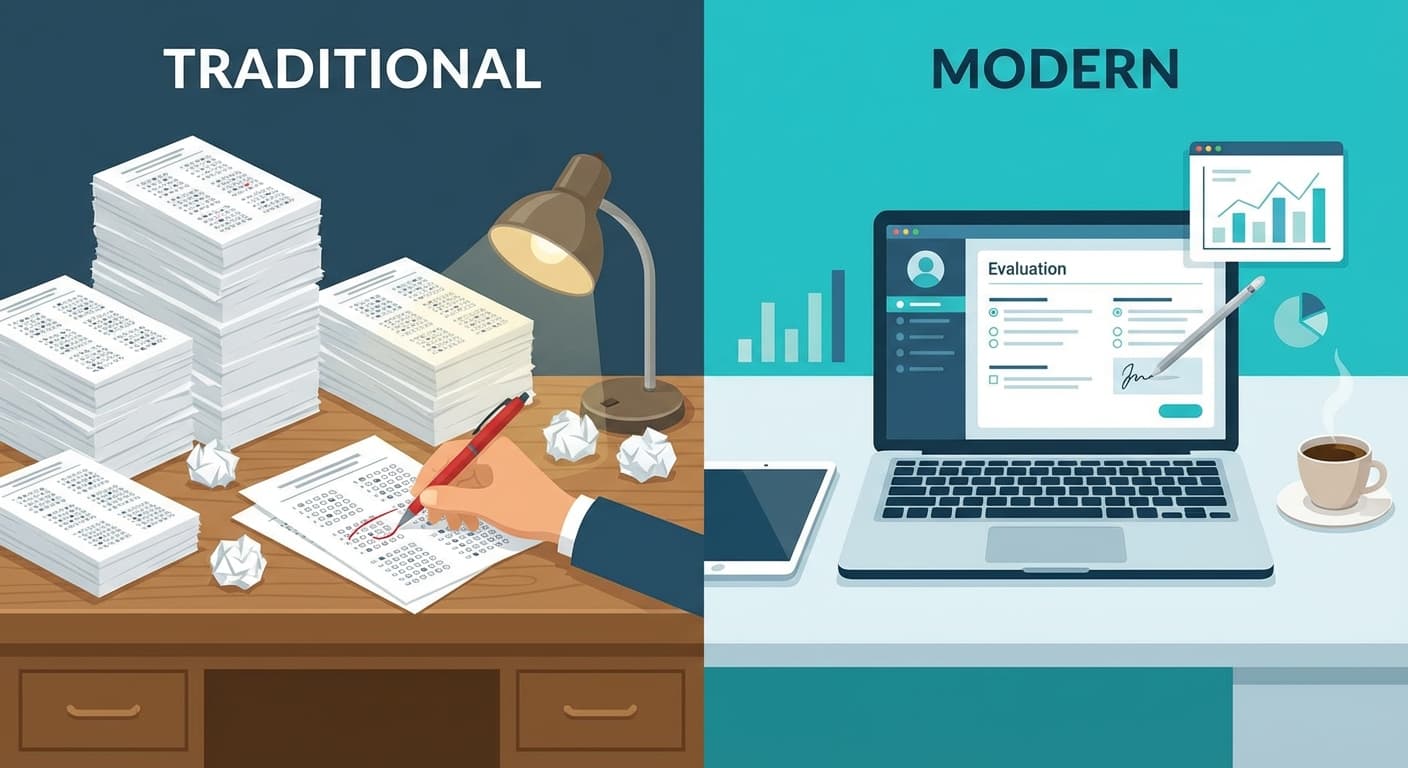
Why This Comparison Matters
Indian universities evaluate millions of answer books every semester. The method of evaluation — paper or digital — directly impacts result timelines, accuracy, cost, and student trust. With CBSE adopting onscreen marking for Class 12 board exams in 2026, the debate between paper and digital evaluation has never been more relevant.
Speed: Paper Takes Weeks, Digital Takes Days
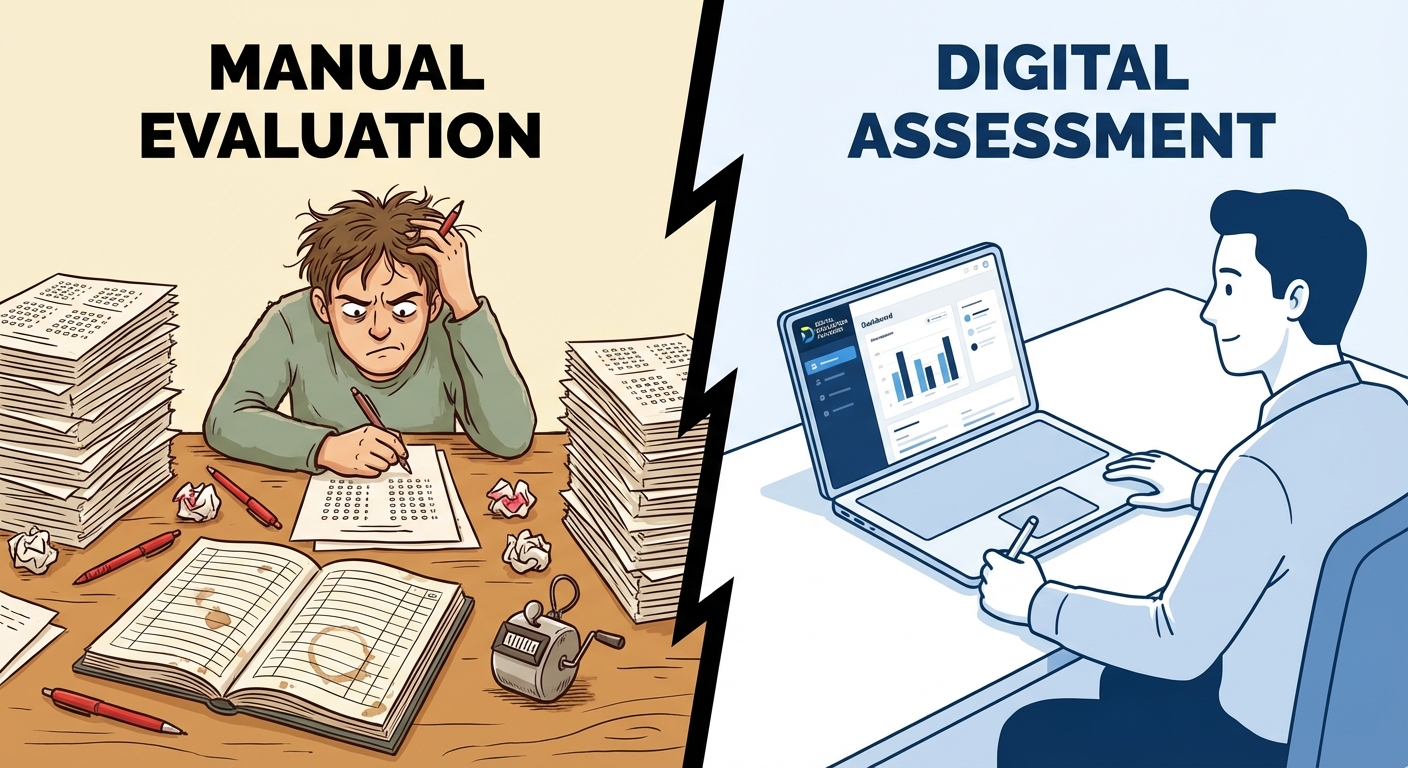
Paper evaluation typically takes 30-45 days from the last exam to result publication. Answer books must be physically collected from exam centres, transported to evaluation camps, distributed to evaluators, collected back, manually totalled, and processed.
Onscreen marking compresses this to 8-15 days. Answer books are scanned within days of the exam, evaluators mark from their homes or offices via a web browser, and results are processed automatically. MAPLES OSM has demonstrated processing 5,00,000+ answer books in compressed evaluation windows.
Accuracy: Eliminating Human Totalling Errors
One of the most significant advantages of onscreen marking is the elimination of manual totalling errors.
In paper evaluation, evaluators write scores for each question on the answer sheet, then manually add them up. Studies have shown that 2-5% of answer books contain totalling errors in paper-based evaluation — errors that can change a student's grade or pass/fail status.
In onscreen marking, the system automatically calculates totals as evaluators enter marks per question. The software validates that:
Cost: The Hidden Savings of Digital Evaluation
Paper evaluation appears cheaper on the surface, but hidden costs add up:
| Cost Category | Paper | Digital |
|---|---|---|
| Physical logistics (transport) | High | None |
| Evaluation camp rentals | High | None |
| TA/DA for evaluators | High | Minimal (work from home) |
| Re-evaluation processing | Very high | Low (digital, instant) |
| Answer book storage | Ongoing | Cloud storage |
| Scanning infrastructure | None | One-time setup |
| Software licensing | None | Annual/per-booklet |
Universities that have switched to digital evaluation report 40-60% reduction in overall evaluation costs, primarily from eliminating physical logistics and evaluation camp expenses.
Security and Transparency
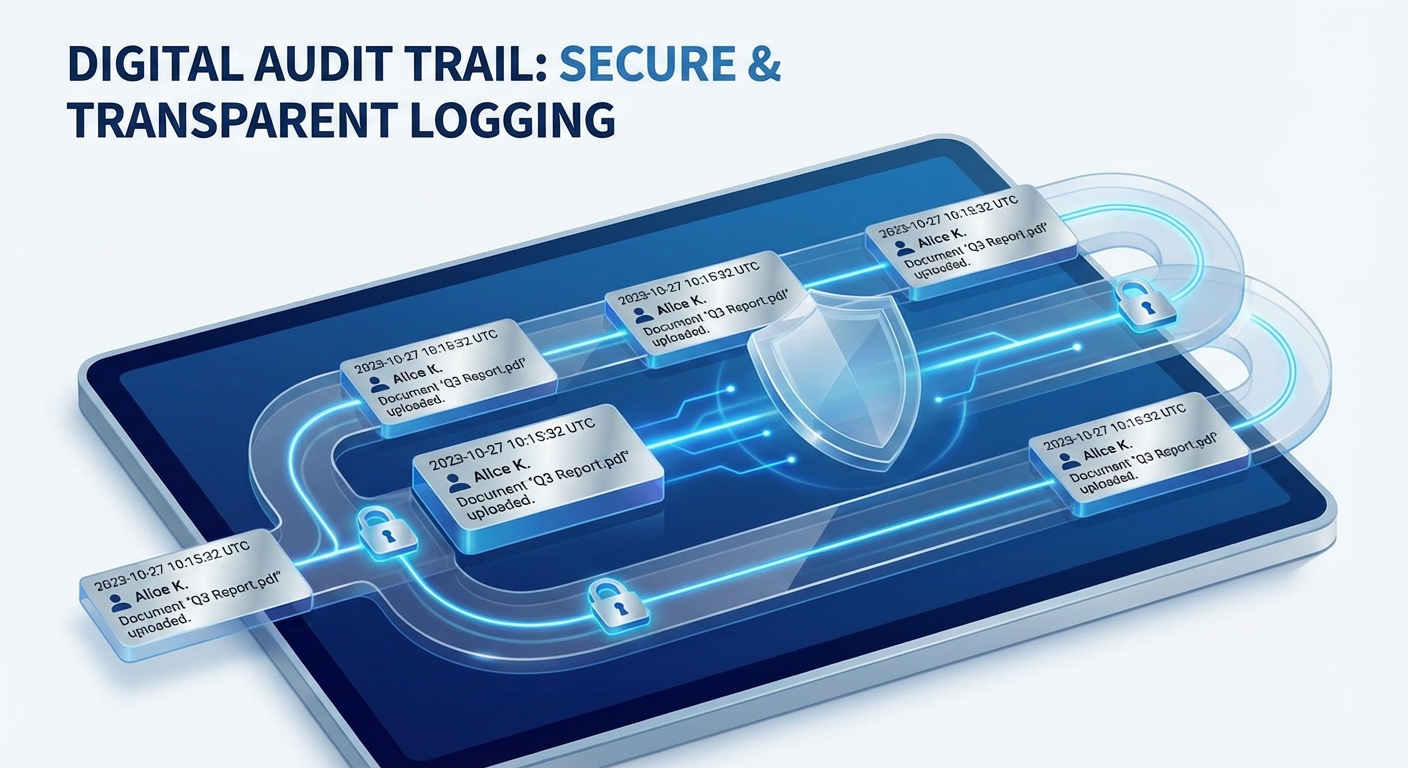
Paper evaluation relies on physical custody of answer books. Answer books can be lost, damaged, or tampered with during transport and storage. There's limited ability to track who handled what and when.
Onscreen marking provides:
Quality Control: Sampling vs Systematic Moderation
In paper evaluation, quality control is typically limited to random sampling — a chief examiner might re-check 5-10% of answer books. There's no systematic way to monitor individual evaluator patterns.
Onscreen marking enables systematic moderation:
Scalability: From Hundreds to Thousands of Evaluators
Paper evaluation has a hard ceiling on concurrency — you can only have as many evaluators as you have physical answer books and evaluation camp seats.
Digital evaluation scales horizontally. MAPLES OSM has demonstrated 4,000+ concurrent evaluations running simultaneously. New evaluators can be onboarded in minutes with OTP-based authentication, and answer books are distributed automatically based on subject and workload.
The Verdict
For any institution evaluating more than a few thousand answer books per cycle, onscreen marking is the clear winner on every metric: speed, accuracy, cost, security, quality control, and scalability.
The initial investment in scanning infrastructure and software is typically recovered within 1-2 evaluation cycles through savings in logistics, faster result timelines, and elimination of re-totalling exercises.
With CBSE leading the way for board exams and major state universities already operating at scale with digital evaluation, the question is no longer whether to adopt onscreen marking — it's how quickly you can make the switch.
Related Reading
Ready to digitize your evaluation process?
See how MAPLES OSM can transform exam evaluation at your institution.