CPGET 2026: How Kakatiya University's Digital PG Entrance Test Models Transparent State Evaluation
Telangana's Common Post-Graduate Entrance Test, conducted by Kakatiya University across 25-plus programmes from July 8-15, 2026, demonstrates how a state examination body can deliver transparent, digitally verifiable admission evaluation at scale.
What CPGET Is and Why It Matters
The Telangana Common Post-Graduate Entrance Tests (TG CPGET) is a state-level examination conducted by Kakatiya University, Warangal, to manage admissions across MA, MSc, MCom, PG Diploma, and five-year integrated programmes at participating universities in Telangana. It is not a high-profile national examination. It does not generate the media coverage of NEET or JEE. But in terms of what good state-level examination governance looks like, it deserves closer attention.
In 2026, the CPGET was conducted from July 8 to July 15, spanning multiple days and subject combinations. On July 18, Kakatiya University released the provisional answer key and candidate response sheets — making both publicly accessible simultaneously. A challenge window is open until July 20. Final results are expected in the last week of July.
This sequence — examination, published response sheets, digital answer key challenge, corrected final key, results — is how a well-run entrance examination should work. The fact that it is delivered by a mid-size state university, not a national testing agency with a large operational budget, is the point worth examining.
The Architecture of Transparency
The CPGET's post-examination process is built around three elements that each serve a distinct transparency function:
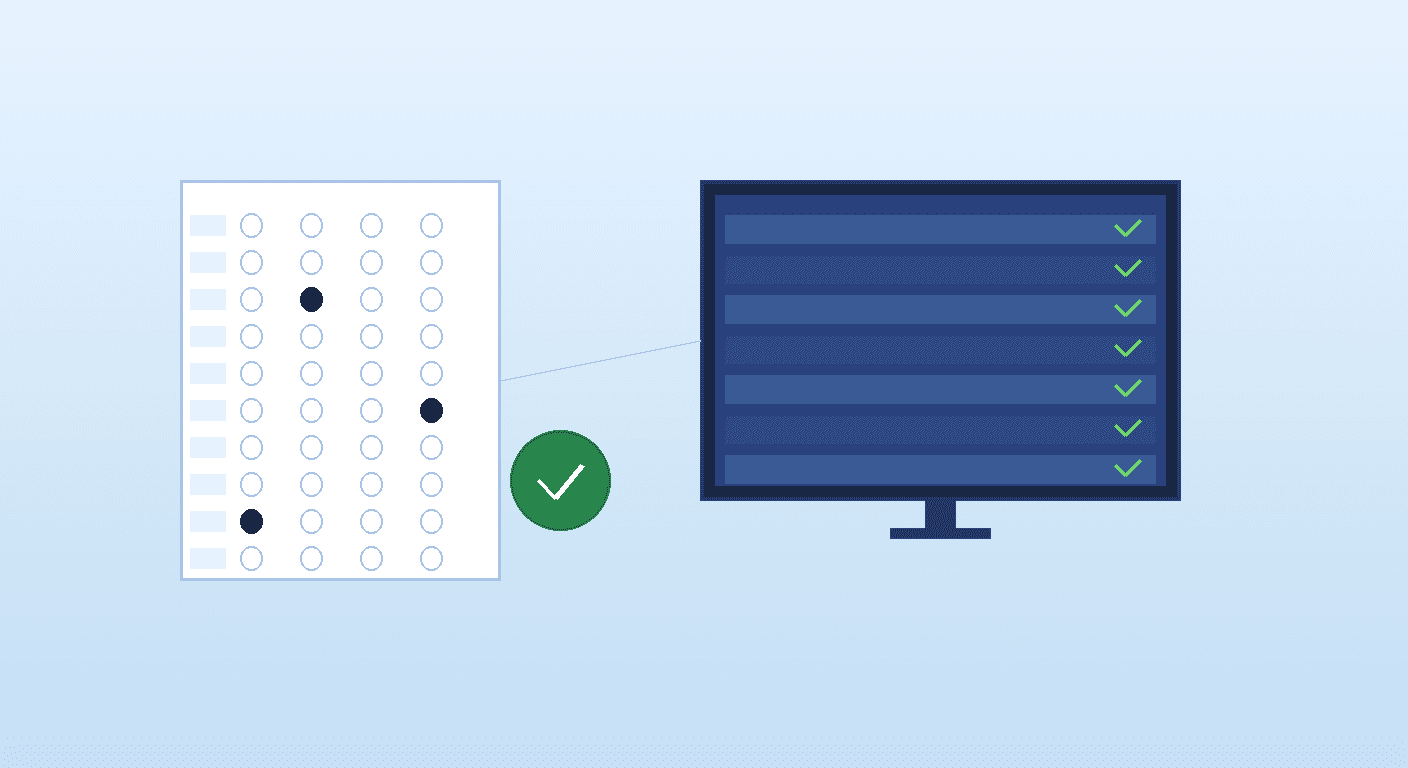
Published response sheets. At the time the provisional answer key is released, candidates gain access to their own OMR response records — the scanned record of which bubble they selected for each question. This matters because it separates two different types of dispute: disputes about what the correct answer is (handled through the answer key challenge), and disputes about what the candidate actually marked (handled through response sheet access). By separating these, Kakatiya University removes a significant source of post-result conflict.
Digital answer key challenge. Candidates who believe a question has been incorrectly answered in the provisional key can submit a formal objection through the online portal before July 20. These objections are reviewed against the question source, and valid challenges are incorporated into the final answer key. The process has a published deadline, a defined review mechanism, and a clear outcome: the final key reflects all accepted corrections.
Time-bounded resolution. The objection window, the review period, and the results date are all announced in advance. Candidates plan their next steps — alternative admissions, counselling registrations, result timelines — against known dates. The uncertainty that generates anxiety and inquiry load for examination bodies is replaced by structured timelines.
None of these features are technologically complex. They require process discipline and the institutional decision to publish data that candidates can independently verify.
Managing Multi-Programme Evaluation at State Scale
Kakatiya University manages the CPGET across more than 25 post-graduate and integrated programme categories, tested over eight examination days. The administrative scope includes:
This is operationally similar to what affiliating universities face in their own semester examinations — multiple programmes, multiple evaluation dates, multiple subject areas — except that Kakatiya coordinates this for a state-level admissions examination where errors have implications for university admissions across Telangana.
The institutional responsibility is high. The institutional infrastructure is not exceptional by national standards. The outcome — a publicly accessible, transparent, digitally managed examination process — is possible because the process architecture is sound, not because the resources are unlimited.
The Broader Pattern Across Indian States
Telangana is not alone in moving post-graduate admission processes to digitally structured frameworks. Across states with high volumes of post-graduate applicants spanning multiple universities, the paper-based manual approach to entrance examination management has become untenable:
Andhra Pradesh: AP PGCET manages state-level PG admissions using OMR-based testing, published response sheets, and digital challenge processes — a parallel model to CPGET in the neighboring state.
Karnataka: KPGCET and Karnataka's PGCET operate on similar lines, with the Karnataka Examinations Authority managing the digital answer key verification process centrally.
Rajasthan: State PG entrance testing has moved toward digitized management, though administrative failures — including the June 2026 incidents where answer keys were distributed as question papers at Rajasthan University — illustrate the gap between systems that have made the structural shift and those that have not.
Uttar Pradesh: UP has announced that evaluators will upload marks online through secure digital portals as part of its broader digitization push.
The convergence point is the same across all these states: the combination of OMR-based testing, published response sheets, and digital challenge resolution. These three elements together define a baseline of transparent digital examination management that was uncommon a decade ago and is now the expectation for serious state-level examination bodies.
What Participating Universities Gain
For universities that accept CPGET scores for admissions, the digital examination chain created by Kakatiya University has downstream benefits:
Clean admissions data. CPGET scores are generated through a transparent, challengeable process. Universities receiving these scores as admission inputs can rely on their validity, reducing the risk of disputed admissions and legal challenges.
NAAC Criterion 2.5 compatibility. Under NAAC binary accreditation, Criterion 2.5 assesses the examination process and reforms. A university that accepts digitally verified entrance scores and continues with on-screen marking for semester evaluations creates an end-to-end digital evidence trail — from admission to graduation — that NAAC assessors find documentable.
Reduced revaluation and disputes. Students who entered through a transparent entrance process — where they could verify their own recorded answers before admission — carry higher baseline trust in examination processes. This trust correlates with lower revaluation application rates in subsequent semester examinations.
NIRF data accuracy. The Graduation Outcomes parameter in NIRF (weighted at 20%) includes higher studies progression. When entrance examination data is digitally verified and admissions are based on clean, challengeable scores, the data pipeline from entrance to graduation to outcome documentation becomes more reliable.
The Lessons for Affiliating Universities
The CPGET model is instructive not as an isolated example of good practice, but as a demonstration that the infrastructure requirements for transparent digital examination management are well within reach for institutions that are not among India's premier universities.
Kakatiya University is not IIT Madras. It is a Telangana state university managing a state-level examination. The fact that it delivers OMR-based testing, simultaneous response sheet and answer key publication, and a structured digital challenge process — across 25-plus programmes, across eight examination days — without access to exceptional budgets suggests that the barrier to this level of transparency is organisational more than financial.
For affiliating universities managing their own semester examinations, the lessons are direct:
Separating response recording from answer key challenge is operationally possible without complex infrastructure. An OMR-based evaluation with published sheets handles the first; a structured online objection portal handles the second.
Published timelines reduce inquiry load. Examination bodies that announce answer key, challenge window, and results dates simultaneously receive fewer inquiries than those that announce each step separately. Students plan against known information; they flood help lines when information is absent.
Digital separation of examination materials prevents the category of errors — wrong papers distributed, answer keys sent to examination centres instead of question papers — that caused the Rajasthan University cancellations in June 2026. The CPGET's digital document management architecture makes that type of error structurally impossible.
What Comes Next for CPGET 2026
After the July 20 objection deadline, Kakatiya University will publish the final answer key, evaluate all OMR responses against it, and release results in the last week of July 2026. Participating universities will then open their admissions counselling processes, using verified CPGET scores as the common data point across the state.
For the 2026 post-graduate cohort entering programmes across Telangana, this represents what examination entry should look like: transparent, time-bounded, independently verifiable, and resolved before admissions begin.
What Kakatiya University's CPGET demonstrates for the broader Indian university examination landscape is that this standard is achievable without exceptional resources, and that the institutional will to publish verifiable data is the most important prerequisite.
Related Reading
Ready to digitize your evaluation process?
See how MAPLES OSM can transform exam evaluation at your institution.