ISC Revaluation 2026: Why CISCE's Digital Approach Worked When CBSE's Didn't
ISC Class 12 revaluation results were declared on June 12, 2026, with DigiLocker access and improvement exams running from June 15 — a quiet contrast to the CBSE OSM crisis that consumed national attention.
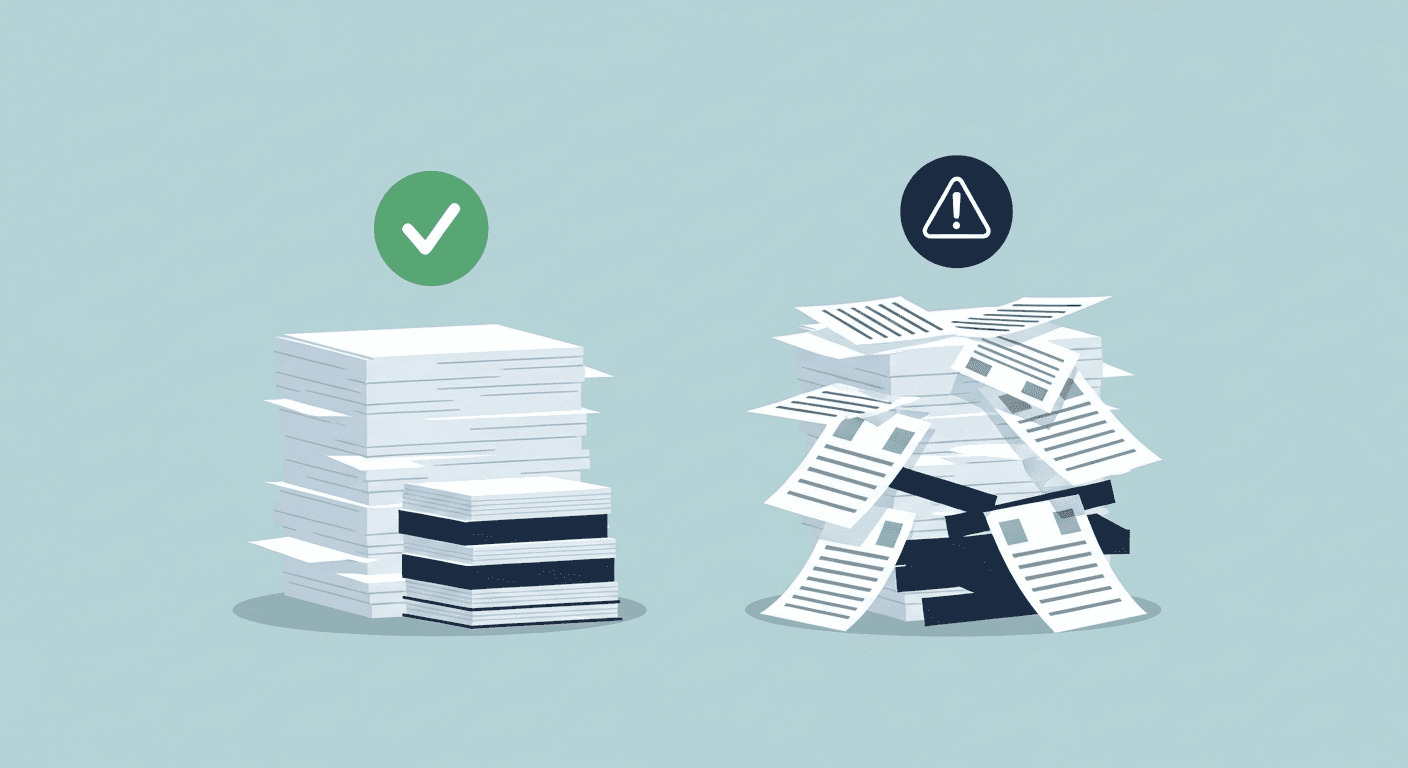
Two Boards, Two Outcomes
In May 2026, the Central Board of Secondary Education declared Class 12 results using its new On-Screen Marking system — and the country watched as a post-result crisis unfolded. Portal crashes, blurred scanned answer sheets, mismatched marksheets, a government inquiry, leadership changes at the board, and a parliamentary committee hearing a 17-year-old whistleblower allege tender irregularities. Over 1.6 lakh students faced admission uncertainty as revaluation timelines slipped beyond the deadlines that colleges needed for provisional admissions.
Weeks later, on June 12, 2026, the Council for the Indian School Certificate Examinations (CISCE) declared ISC Class 12 revaluation results. Revised scores were accessible on the CISCE portal within hours. Digital copies were available on DigiLocker the same day. Improvement examinations for students who needed to improve their scores began on June 15 — precisely as scheduled.
No portal crash. No parliamentary committee. No government probe.
The contrast between the two boards' experiences in 2026 is among the more instructive case studies available to institutions planning their own digital evaluation transitions. The question worth examining is not simply what went wrong at CBSE, but what CISCE did systematically differently.
What CISCE Did Differently
Scale and Operational Complexity
CBSE affiliates over 27,000 schools. CISCE affiliates approximately 2,300. This is a tenfold difference, and it is not merely a number — it is a fundamentally different operational environment.
Every process that functions at 2,300 schools requires substantial re-engineering before it can function at 27,000. The throughput requirements for scanning, the concurrent load on evaluation portals, the number of evaluators who need training, the volume of revaluation requests that arrive in the first 24 hours after results — each of these scales with the number of students and schools, not linearly but with compounding complexity.
CBSE's 2026 OSM rollout was the first time it had deployed digital evaluation at this scale for Class 12. CISCE had been running digital evaluation processes for multiple years before 2026. The operational maturity gap between the two systems in June 2026 was significant.
Phased Digitisation Over Multiple Years
CISCE did not attempt to switch from paper to digital evaluation in a single cycle. The board incrementally digitised its scanning, evaluation, and post-result workflows over several years. By 2026, these processes were tested and mature — evaluators were familiar with the interface, scanning centres had established quality protocols, and the revaluation system had been through multiple iterations.
CBSE's OSM rollout was compressed into a shorter timeline, moving directly to full-scale Class 12 implementation without extended parallel running of paper and digital processes. When unexpected load or edge cases arose, there were no fallback procedures drawn from experience — because the system had not been in production long enough to accumulate that experience.
Scanning Quality as a Gate, Not an Afterthought
The most visible operational failure in the CBSE OSM cycle was the blurred-answer-sheet controversy. Thousands of students reported that their uploaded scanned sheets were faded, cropped, or unreadable, raising the question of whether evaluators had been able to assess responses accurately. For a board whose OSM rollout was premised on improving evaluation accuracy, having illegible source material was a foundational problem.
CISCE's digitisation workflows include multi-step scanning quality verification before answer sheets enter the evaluation queue. Sheets that fall below defined quality thresholds at the scanning stage are rescanned before any evaluator accesses them. The quality gate happens at the input stage, not after complaints arrive.
CBSE's scanning verification protocols appear to have been insufficient to catch quality problems before evaluation began, resulting in problems surfacing only during revaluation — when the cost of correction (in both time and student anxiety) was highest.
Revaluation as an Integrated System Component
Under CBSE's initial OSM rollout, the revaluation and verification portal was a separate system that was launched after results were declared. On its intended opening day, it failed under concurrent load from students attempting simultaneous access. The portal had not been load-tested against realistic peak demand from 17 lakh eligible Class 12 students.
CISCE's revaluation system is an integrated component of the same evaluation platform that runs the initial marking cycle. It is not a standalone system stood up post-result. This architectural decision meant that when revaluation demand arrived on June 12, the system was already running — it did not need to be launched into production under load for the first time.
Committed Timelines Published Before Results
CISCE published specific, named dates for the revaluation cycle before the main result was declared. Students knew that:
This predictability served two functions. It distributed administrative load more evenly because students could plan their applications without racing against an unknown deadline. And it reduced the anxiety that drives students to refresh portals simultaneously in the first hour after results are declared — a behaviour that generates the artificial load spikes that crash systems.
CBSE's post-result communication in 2026 was reactive rather than pre-planned, with portal opening dates being announced and then postponed as technical issues were resolved.
The Data Behind the Contrast
| Dimension | CISCE (ISC 2026) | CBSE (Class 12 2026) |
|---|---|---|
| Affiliated schools | ~2,300 | ~27,000+ |
| Class 12 examinees | ~93,000 | ~17 lakh+ |
| Revaluation result date | June 12 (on schedule) | Delayed from original date |
| DigiLocker availability | Same day as result | Fragmented and delayed |
| Improvement exam start | June 15 (on schedule) | On track but amid wider controversy |
| Government inquiry | None | Committee constituted |
| Portal performance | No reported outages | Crash on opening day |
The data does not suggest that CBSE's digital evaluation direction is wrong. It suggests that the pace and preparation of the rollout did not match the scale and complexity of the undertaking.
What Institutions Can Take From This
For universities and examination boards planning or mid-execution in their own digital evaluation transitions, the 2026 contrast provides concrete reference points.
Scale the infrastructure to realistic peak load, not average load. A university processing 10,000 answer books per cycle is implementing digital evaluation in a fundamentally different operational environment from one processing 5 lakh. Infrastructure for scanning throughput, evaluator interface concurrency, and revaluation portal access must be sized for the worst-case simultaneous demand that results day generates, not for expected daily averages.
Post-result services must be built and tested before results are declared. Revaluation portals, scanned copy delivery, and DigiLocker integration are not optional extras to be added after the main result cycle. They are load-bearing components that carry the highest concurrent demand of the entire evaluation season. They must be load-tested at realistic scale before going live.
Scanning quality control happens before evaluation, not after complaints. The cost of catching a scanning quality problem before evaluation begins is a rescan. The cost of catching it after a student raises a revaluation request is a controversy. Quality gates at the input stage of the process are not additional steps — they are the difference between a system that generates trust and one that generates news articles.
Phased rollout by subject and volume before full-scale cutover is the least risky path. Starting with subjects that have lower answer book volumes, or with a single centre, allows an institution to surface operational problems at a scale where they are recoverable. Full-scale deployment in the first live cycle is a high-risk choice.
Publish the post-result timeline before results are declared. Giving students a committed schedule for revaluation results and improvement examination dates reduces simultaneous portal access spikes and builds the institutional credibility that comes from meeting commitments.
The Quiet Success Is the Goal
The best outcome of a digital evaluation cycle is that no one writes a news article about it. CISCE's June 2026 cycle generated no controversy because every component performed as expected. That is achievable for institutions that plan with the same level of operational discipline that CISCE brought to its multi-year digitisation process.
The CBSE experience of 2026 is not a reason to avoid digital evaluation. It is a detailed map of the specific points where under-prepared rollouts fail. For institutions that study it carefully, it is one of the most valuable planning resources available.
Related Reading
Ready to digitize your evaluation process?
See how MAPLES OSM can transform exam evaluation at your institution.