HPTU Hamirpur's Rs 1.5 Crore Digital Exam Investment: What Tier-2 Universities Can Learn
Himachal Pradesh Technical University's planned web-based exam management system for 30,000 students signals how mid-sized affiliating universities are treating digital infrastructure as a direct accreditation investment.
A Tier-2 University Makes a Decisive Move
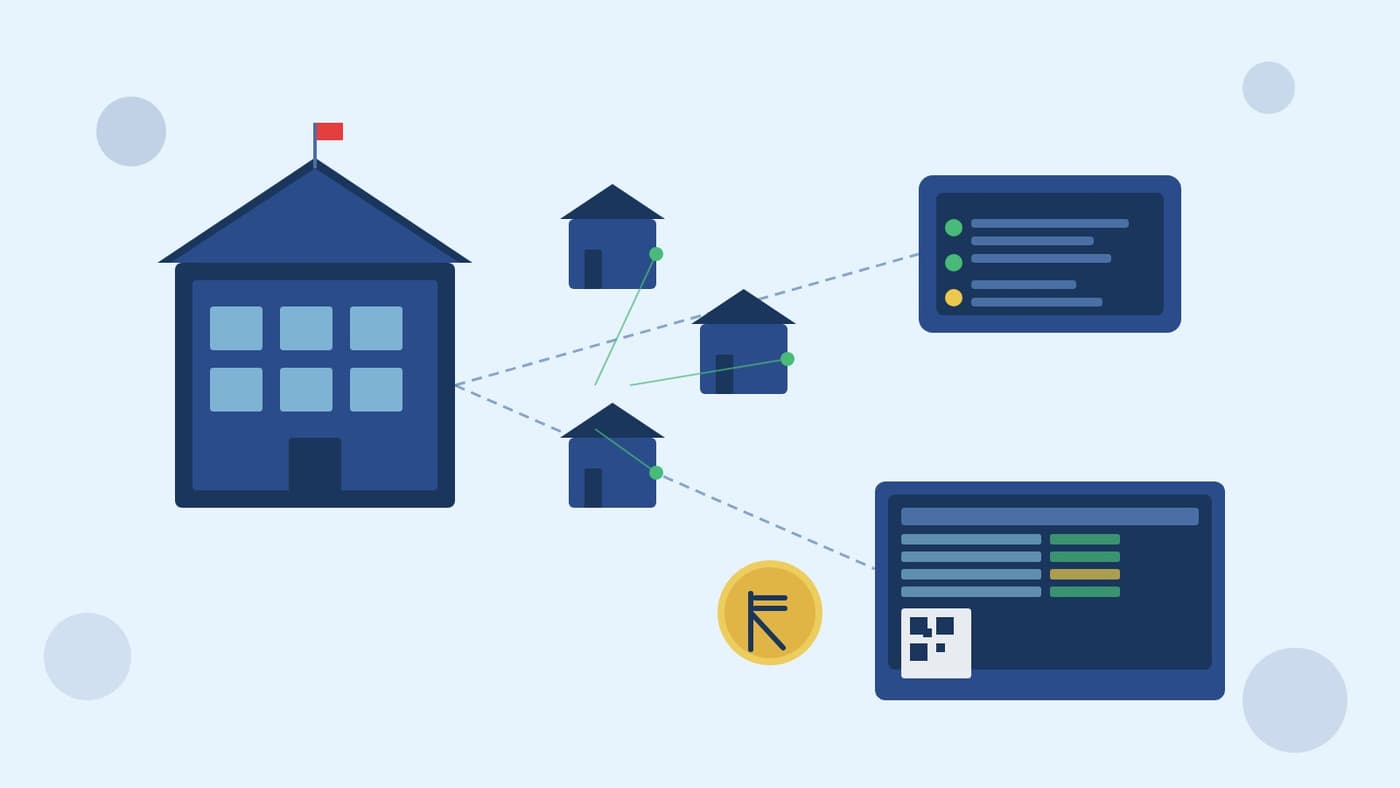
Himachal Pradesh Technical University (HPTU) in Hamirpur has issued a tender for a web-based Integrated Examination Management System that will serve roughly 30,000 students across its 50-plus affiliated colleges. The planned outlay is approximately Rs 1.50 crore, covering design, development, integration, cloud hosting, warranty, and ongoing maintenance.
The decision is notable not because a university is going digital — dozens already have — but because of what it signals about how exam administration is now being viewed at institutions far outside India's metro corridors. HPTU is not an IIT or a central university. It is a state technical university serving the hill districts of Himachal Pradesh, and it is treating a digital exam platform as core infrastructure rather than an aspirational upgrade.
For controllers of examinations, registrars, and academic councils at similar mid-sized affiliating universities, that signal matters.
What the System Will Do
The planned EMS covers the full examination lifecycle:
The scope also includes back-end modules for examination scheduling, invigilator allocation, evaluation tracking, and results processing. Cloud hosting means that affiliated colleges access the same data in real time, reducing the communication lag that typically causes delays in mark entry and result compilation at affiliating universities.
HPTU has not announced a go-live deadline, but the tender scope suggests the university expects full deployment ahead of its next annual examination cycle.
Why This Investment Looks Like an Accreditation Decision
Universities seeking accreditation — whether NAAC binary or NBA Tier I — now face a markedly more evidence-intensive process than they did five years ago. The NAAC binary framework replaced the old CGPA letter-grade with a Accredited / Not Accredited determination based on YES or NO responses, each backed by verifiable digital evidence. Institutions that cannot produce tamper-evident, timestamped documentation for their examination processes face a structural disadvantage.
Criterion 2: Teaching, Learning, and Evaluation is where the exam management system directly contributes. Under the binary framework, attribute-level evidence for evaluation practices includes:
A web-based EMS generates all of this automatically. Universities relying on manual mark ledgers or disconnected spreadsheets have to reconstruct this evidence retrospectively — an exercise that is both time-consuming and unreliable.
Criterion 4: Infrastructure and Learning Resources also captures examination infrastructure as an indicator of institutional readiness. Cloud-hosted, QR-authenticated admit cards and digital mark sheets are specific evidence items that accreditation visitors now look for.
For NIRF rankings, the picture is similar. The Graduation Outcomes parameter (which carries 20–25% weightage depending on the category) includes sub-metrics on results processing efficiency and pass-rate trends. Universities with integrated digital systems can generate clean, audit-ready data for NIRF data submission, whereas manual systems typically require extensive internal audits before submission.
The Affiliated College Dimension
For an affiliating university like HPTU, the challenge is not just managing its own campus examinations. It is coordinating examination data across 50-plus colleges whose infrastructure, staff capacity, and IT readiness vary considerably.
This is where a centralised web-based EMS offers the clearest return on investment. When mark entry, verification, and results approval flow through a single platform, the registrar's office can track the status of every college's submission in real time. Missing marks are flagged immediately. Colleges that have not completed a step cannot proceed to the next one.
This architecture also insulates the university against a risk that has caused severe reputational damage elsewhere: individual colleges manipulating mark data between entry and official declaration. When the platform validates against the original scanned answer sheet or the evaluator's direct input, the manipulation window is closed at source.
A Procurement Checklist for Similar Institutions
Universities at a similar scale considering their own EMS investment should ask the following questions before vendor selection:
| Capability | Why It Matters |
|---|---|
| Cloud-native architecture | Avoids server capacity failures during result declaration |
| Role-based access control | Limits mark-editing to authorised evaluators only |
| Tamper-evident audit log | Produces evidence for NAAC binary Criterion 2 and 4 |
| QR-linked admit card generation | Closes the duplicate-candidate gap |
| Integration with evaluation module | Enables marks to flow from evaluation directly into results without manual re-entry |
| Disaster recovery and uptime SLA | Exam cycles cannot pause for downtime |
| Data residency in India | Addresses DPDP Act compliance requirements for student data |
A platform that checks all seven boxes will meet the evidence requirements of the NAAC binary framework, the NIRF data submission format, and the NBA's Self-Assessment Report documentation requirements simultaneously.
Three Lessons From HPTU's Approach
Scope the full lifecycle from day one. HPTU's tender covers the entire process from registration to certificate issuance. Universities that phase the investment — digitising only one stage — often discover that they cannot produce integrated audit trails because two parts of the process live in different systems.
Cloud hosting reduces implementation risk. Affiliated colleges do not need on-premises servers or dedicated IT staff. A cloud-based platform means adoption at a college level is essentially a browser and a login.
The business case is not just efficiency. The correct frame for a Rs 1.50 crore investment is not speed of results processing. It is accreditation compliance, audit readiness, and institutional reputation — which compound over multiple cycles.
What Comes Next
HPTU's decision is part of a broader pattern. Uttarakhand's higher education department directed state universities to implement on-screen digital evaluation starting from January 2026. CBSE ran its national-scale OSM rollout this year. Punjab's state board adopted on-screen marking for board examinations in March 2026.
Mid-sized state technical universities are now the next frontier. HPTU's investment demonstrates that the conversation has moved from whether to digitise examination processes to how to do it without repeating the mistakes made at scale by earlier adopters.
Universities watching this space should use the next twelve months to scope their own integrated exam management systems, identify vendor capabilities, and align the investment with their accreditation cycle timeline. The institutions that make this transition before their next NAAC peer team visit will find themselves with one fewer evidence gap to close.
---
Related Reading
Ready to digitize your evaluation process?
See how MAPLES OSM can transform exam evaluation at your institution.