Seven Ways Digital Evaluation Platforms Fail: A Business Continuity Guide
India's 2026 examination season documented platform crashes, cyberattacks, scanning failures, and data migration disasters. Every university exam office needs a written response plan for each scenario before the next semester begins.
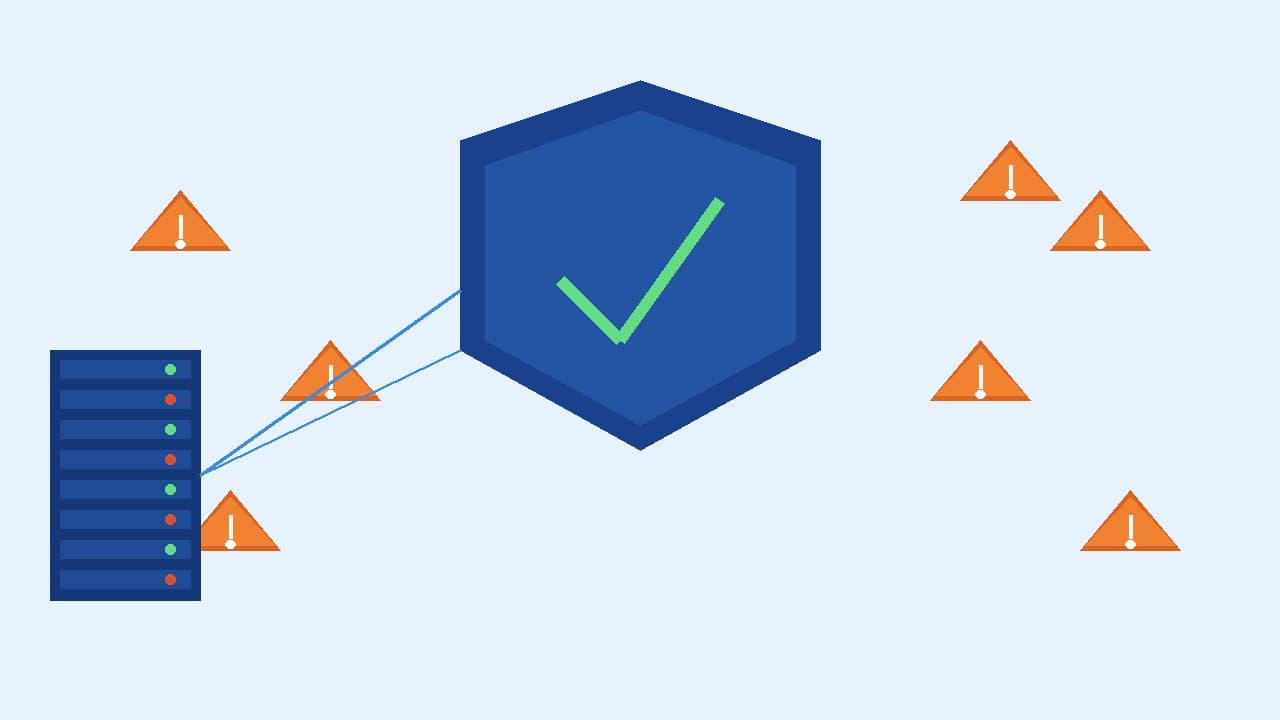
What 2026 Taught India About Examination Technology Risk
The argument for digital evaluation — speed, accuracy, audit trails, transparency — is well established. Less documented is what happens when digital evaluation systems fail. India's 2026 examination season provided an unusually concentrated set of real-world failure events that examination offices can learn from systematically.
The CBSE OSM controversy produced documented cases of portal crashes under high load, scanning quality failures that corrupted evaluation inputs, and data migration failures during a vendor transition. The CBSE revaluation portal was the target of a cyberattack. The UGC-NET June 2026 examination saw question paper integrity failures that traced partly to inadequate digital security in the question bank. CUET 2026 experienced TCS iON server glitches that disrupted candidate access mid-examination.
Each of these failures has a specific cause, a specific consequence, and — with adequate preparation — a specific mitigation. This guide documents seven distinct failure scenarios that university examination offices should plan for explicitly, with response protocols written before the next examination cycle begins.
Failure 1: Platform Portal Crash Under Peak Load
What it looks like: The result declaration or revaluation portal is inaccessible during the window when students, parents, and administrators are most actively accessing it. Server response times exceed 30 seconds. Pages fail to load. Student frustration escalates rapidly on social media.
What happened in 2026: CBSE's revaluation portal, handling requests from approximately 1.68 lakh students who applied for re-evaluation, experienced repeated crashes in the days immediately following its opening. Students who could not access their results or submit revaluation requests within the portal window lost their opportunity.
Preparedness requirements:
Failure 2: Scanning Quality Corruption
What it looks like: Answer sheets enter the evaluation workflow as degraded images — blurred, partially captured, with missing pages, or at insufficient resolution for evaluators to read handwritten content.
What happened in 2026: A significant proportion of CBSE Class 12 complaints traced to answer sheet scanning quality. Evaluators working from blurred or incomplete scans could not assess the full content of the answer, resulting in marks that did not reflect student performance. The scanning failure was upstream of evaluation — no amount of evaluator care could correct for input images that were unreadable.
Preparedness requirements:
Failure 3: Evaluator Authentication Failure
What it looks like: Evaluators cannot log in — because their credentials are wrong, their OTP is not received, the system does not recognise their registered device, or their account is locked after failed login attempts.
What it produces: Evaluation work stops. Assigned packets accumulate without progress. Administrators receive no real-time visibility into the bottleneck. If the evaluation window is tight, the delays compound into result declaration delays.
Preparedness requirements:
Failure 4: Vendor Data Migration Failure
What it looks like: When a university switches digital evaluation vendors — or when a vendor is unable to continue services mid-contract — the data held by the previous vendor (scan archives, marks records, audit logs) is not fully transferred to the replacement system or the institution's own custody.
What happened in 2026: During the CBSE vendor transition from Coempt to a replacement system, questions arose about data custody, continuity of the evaluation workflow, and the completeness of data migration. The experience exposed how few institutions — including large examination bodies like CBSE — had explicitly defined data custody requirements in their vendor contracts.
Preparedness requirements:
Failure 5: Cyberattack on the Evaluation or Revaluation Portal
What it looks like: The examination portal is targeted by a DDoS attack timed to coincide with result declaration or a revaluation window. Alternatively, the portal experiences a data breach exposing student marks or evaluator credentials.
What happened in 2026: CBSE's revaluation portal was the target of a cyberattack that disrupted student access. The attack coincided with peak demand from students seeking to access their evaluated answer sheets during a time-limited window.
Preparedness requirements:
Failure 6: Evaluator Marks Entry Errors at Scale
What it looks like: Evaluators enter marks incorrectly — wrong question number, transposed digits, omitted questions — and the errors aggregate into result inaccuracies that are discovered only at the revaluation stage, after results are declared.
What it produces: High revaluation volumes, institutional credibility damage, and — in severe cases — legal proceedings and court directions to reopen result portals.
Preparedness requirements:
Failure 7: Power and Connectivity Failure at the Evaluation Centre
What it looks like: The evaluation centre — whether a physical location where evaluators work on provided devices, or the institution's server room — loses power or internet connectivity during an active evaluation window.
What it produces: Loss of in-progress evaluation work if the platform does not support auto-save and session recovery. Evaluators may not be able to reconnect to the session, requiring reassignment that breaks the anonymity chain.
Preparedness requirements:
Building the Business Continuity Plan
A business continuity plan for digital evaluation is not a single document. It is a set of written procedures — one for each failure scenario — that are reviewed before every examination cycle and tested against real systems at least annually.
The checklist approach that universities commonly use for examination planning focuses on what must be done in advance: evaluator onboarding, paper receipt, scanning scheduling. Business continuity planning focuses on what happens when something goes wrong during execution — who is called, what they do, what the decision authority chain looks like, and how students are communicated with.
India's 2026 examination season provided the evidence that these plans are necessary. Every scenario documented above — portal crashes, scan failures, cyberattacks, vendor failures — occurred at a real institution with real consequences for real students. The question for each university examination office is not whether these scenarios could occur. It is whether the office has a written response ready when they do.
The odd semester of 2026-27 is beginning. The business continuity plan should be completed and reviewed before the first examination is conducted, not after the first failure is encountered.
---
Related Reading
Ready to digitize your evaluation process?
See how MAPLES OSM can transform exam evaluation at your institution.